

If you work in an English-speaking environment, there’s one phrase you’re going to see all the time in emails and messages: Just a reminder …
It’s short.
It sounds polite.
But sometimes… it can feel a little uncomfortable.
Are they pushing you?
Did you forget something?
Is this urgent?
Let’s break it down so you understand what it really means, how it’s used, and how to handle it professionally.
What Does “Just a Reminder” Mean?
In Business English, “just a reminder” means:
“This was already mentioned—I’m bringing it up again.”
That’s it.
It’s a follow-up message.
It doesn’t introduce new information.
It simply brings something back to your attention.
For example:
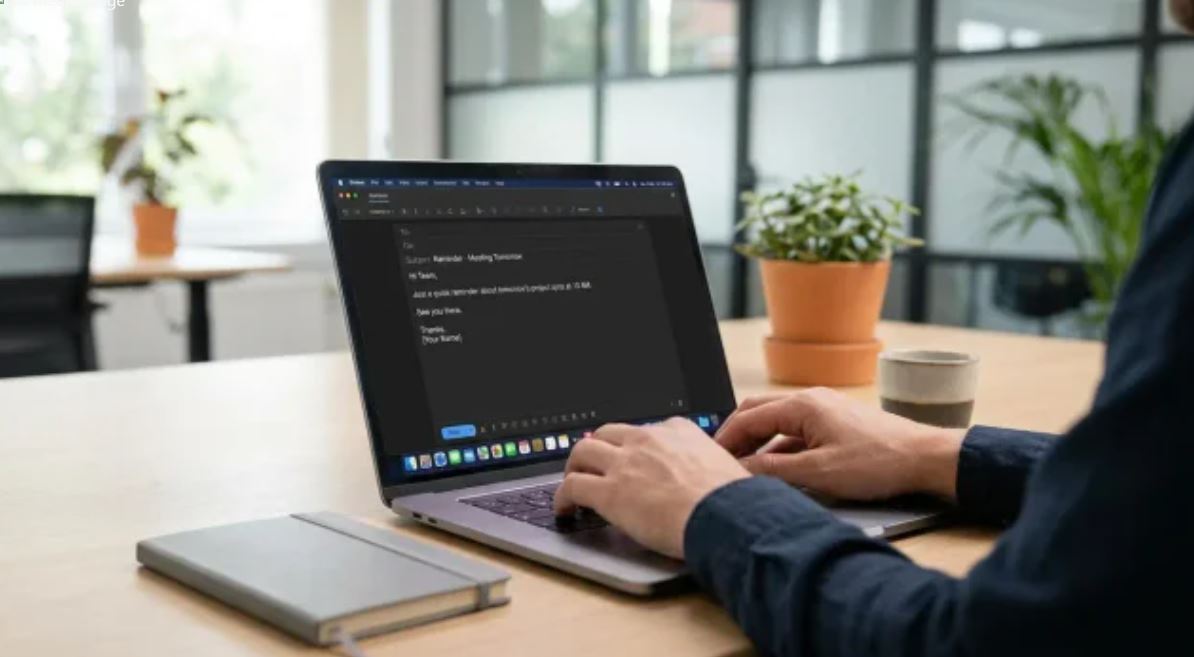
“Just a reminder—the meeting starts at 10.”
This means:
???? You’ve already been told
???? This is a quick follow-up
Why Professionals Use This Phrase
In busy workplaces, people forget things.
Emails get lost.
Deadlines get close.
Meetings get missed.
So instead of assuming everyone remembers everything, professionals send reminders.
And instead of sounding direct, they soften it with:
“Just a reminder…”
This helps the message feel:
- Polite
- Light
- Non-confrontational
Common Situations Where You’ll See It
Let’s look at the most common workplace situations.
1. Before Meetings
Example:
“Just a reminder—our call is at 2 PM.”
This helps make sure everyone shows up on time.
2. Before Deadlines
Example:
“Just a reminder to submit your report by Friday.”
This keeps projects on track.
3. For Pending Tasks
Example:
“Just a reminder—please review the document.”
This is a gentle nudge when something hasn’t been completed yet.
What That Word “Just” Really Does
Here’s a small but important detail.
???? The word “just” softens the message.
Without it:
❌ “Reminder—submit your report.”
Sounds more direct.
With it:
✅ “Just a reminder to submit your report.”
Feels lighter and more polite.
That one word makes a big difference in tone.
When It Can Feel Like Pressure
Even though the phrase is polite, context matters.
If someone sends:
- “Just a reminder…”
- “Just a reminder…”
- “Just a reminder…”
multiple times…
It can start to feel like:
???? “You haven’t done this yet.”
???? “This is becoming urgent.”
So while the phrase itself is neutral, repetition can change how it feels.
Softer Variations You’ll Hear
Sometimes professionals make the tone even softer.
You might see:
- “Just a quick reminder…”
- “Friendly reminder…”
These versions feel:
- More casual
- More supportive
- Less pressuring
Example:
“Friendly reminder—please send your feedback by tomorrow.”
Real Workplace Examples
Here are a few natural examples you’ll see:
- “Just a reminder—our call is at 2 PM.”
- “Just a reminder to send the invoice.”
- “Just a reminder—we need your feedback by tomorrow.”
Short. Clear. Very common.

How to Respond Professionally
When you receive a reminder, the best response is simple and clear.
If the task is done:
“Thanks—this is already completed.”
If you’re working on it:
“Thanks for the reminder—I’ll send it shortly.”
If you need more time:
“Thanks for the reminder—I’ll have this ready by tomorrow.”
These responses show:
- Awareness
- Responsibility
- Professionalism
Can You Use “Just a Reminder”?
Yes—and you should.
It’s one of the most useful phrases in workplace communication.
Use it when:
✔ Something was already shared
✔ You need to follow up
✔ You want to sound polite
For example:
“Just a reminder—we’ll need your input before Friday.”
“Just a reminder to review the document when you have time.”
A Quick Professional Tip
When sending reminders, try to keep the tone:
- Calm
- Friendly
- Respectful
Avoid sounding repetitive or urgent unless it’s necessary.
???? One reminder is helpful
???? Too many can feel like pressure
ChatterFox Business English Course Recommendation
Understanding phrases is important—but knowing how they feel in real communication is what makes you sound professional.
The ChatterFox Business English Course helps you:
- Practice real workplace email and messaging scenarios
- Learn how to balance politeness and clarity
- Improve your tone, confidence, and communication skills
- Communicate naturally in American professional environments
With AI speech recognition and guidance from certified coaches, you learn how to communicate effectively—not just correctly.
The Key Takeaway
Let’s simplify everything.
“Just a reminder” means:
“I’m bringing something up again.”
It’s used to:
- Follow up
- Reinforce deadlines
- Keep things on track
And while it’s usually polite, tone and context matter.
Final Thoughts
Workplace communication isn’t just about information—it’s about how you deliver it.
And “just a reminder” is a perfect example of that balance.
Used well, it keeps things organized and professional.
Used too often, it can feel like pressure.
Now you know exactly how it works—and how to use it confidently.